
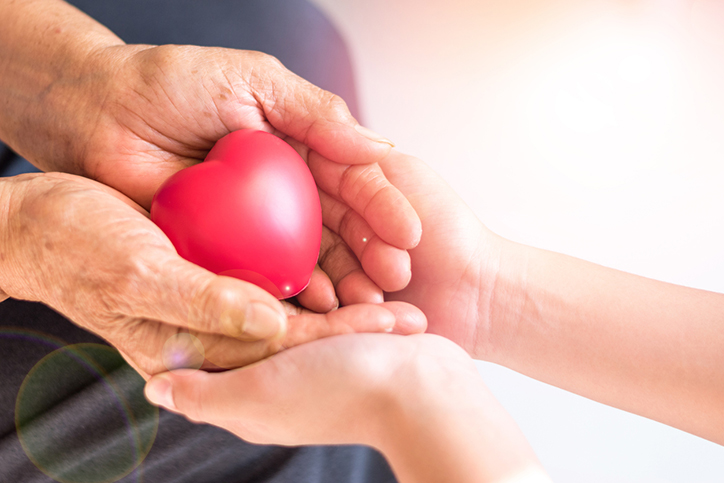
Did you know that about one in six Americans are caregivers providing care to adults (18 years and older) with a disability or illness? Let’s review poison safety tips for caregivers.
Author: Emily Paterson

Edibles are products that contain cannabis that can be consumed. They come in many forms that you can eat or drink and are quickly growing in popularity.
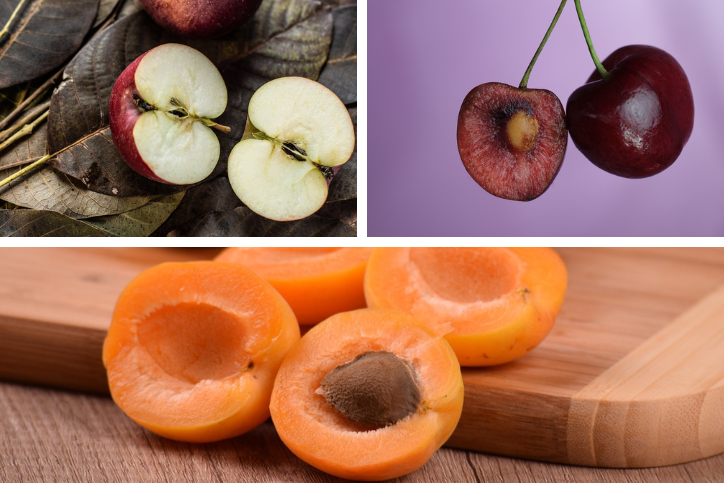
With the spring and summer season, you may find yourself reaching for a refreshing fruit as a snack. Some fruits contain pits and/or seeds that can be harmful.
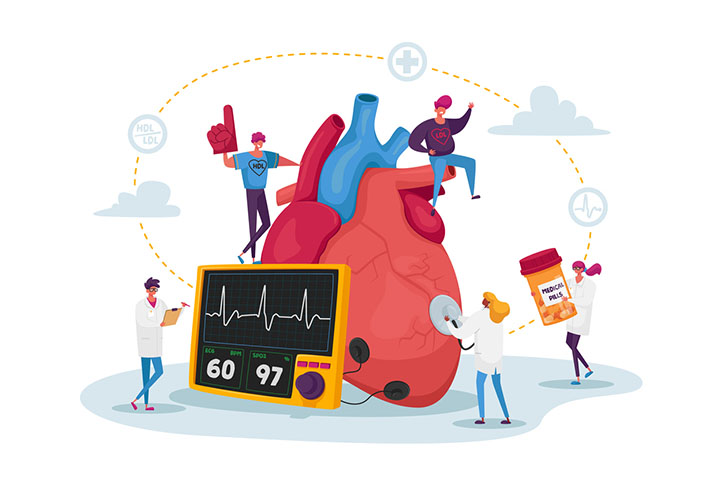
Cardiovascular (heart) medicines are used to treat diseases of the heart and high blood pressure. According to the Centers for Disease Control and Prevention, one of the most common prescription drugs taken by adults are for cardiovascular disease.

Pre-teens and teens make up about 17 percent of cases managed by the Maryland Poison Center annually. Studies suggest you should start talking with children about substances when they are an early pre-teen. Let’s review medicines and other substances they may be using.

Gearing up for the big game? Whether you are watching with your family or having a party with friends, don’t invite food poisoning to the watch party!

Poisonings are very common in children under the age of six, and 90 percent of the time they happen at home! So before you go out for a date night, talk with your babysitter about poison safety.
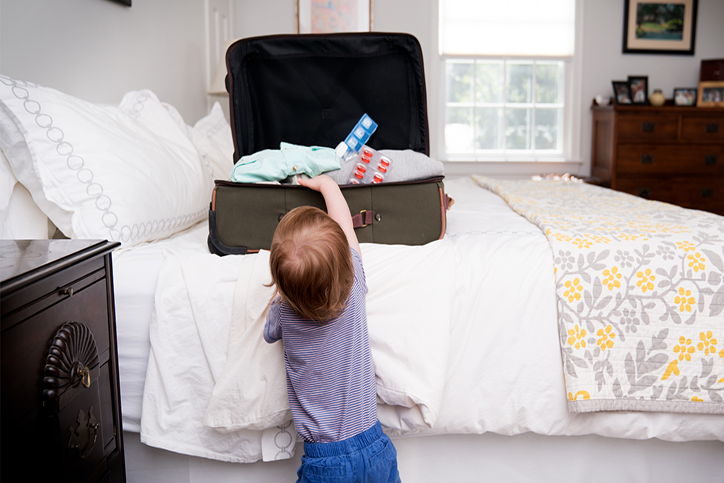
Poisonings don’t take a vacation. They happen 365 days a year. Stay safe while away with these tips!
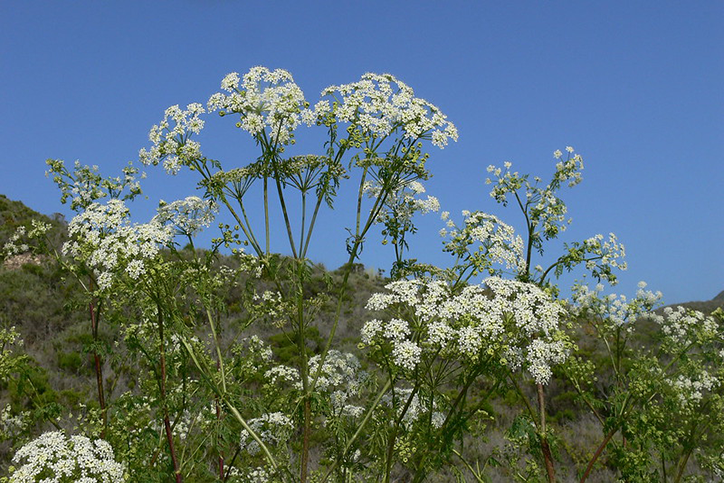
Poison hemlock is a toxic weed that grows in almost every state in the United States. It is found in fields and vacant lots and along roads, fences, and streams. All parts of the plant are toxic due to an alkaloid called coniine.

June is National Safety Month! While the main focus is workplace safety, a lot of the information and safety tips also applies to your home and wherever else you may be.