
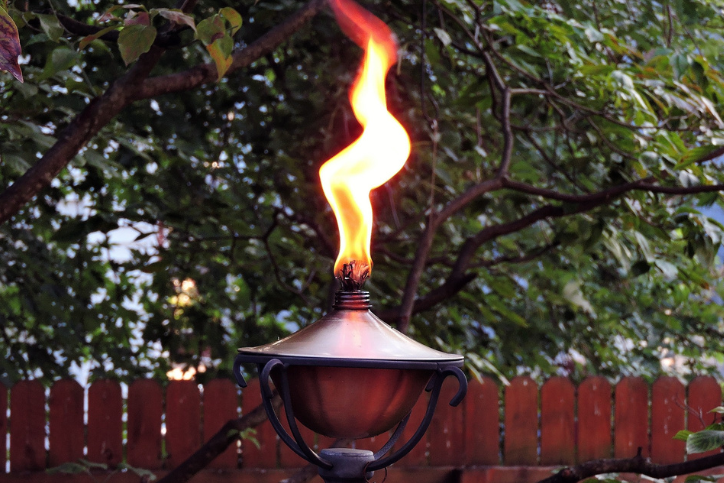
The Maryland Poison Center manages cases every summer about lamp oil exposures and receives questions about what to do if someone swallows it. In this blog, we’ll discuss lamp oil safety and ways to prevent lamp oil exposures.
Tag: Poison Safety

Summer is the season of fireworks, backyard barbecues, and gathering with family and friends. While outdoor summer parties can be fun, they can also present unexpected poison and safety hazards. In this blog, we’ll cover common seasonal hazards and share practical tips to help keep your summer parties safe and poison-free.
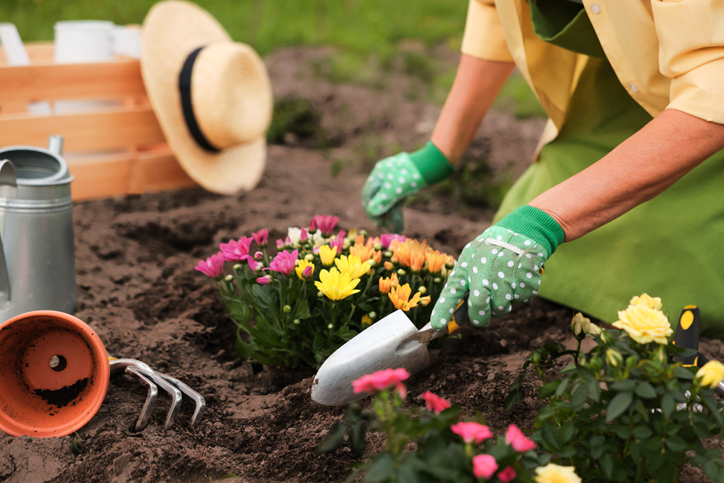
Spring and summer are times when many people explore the outdoors and tend to their gardens. While these activities can be fun and rewarding, they can also come with hidden risks.
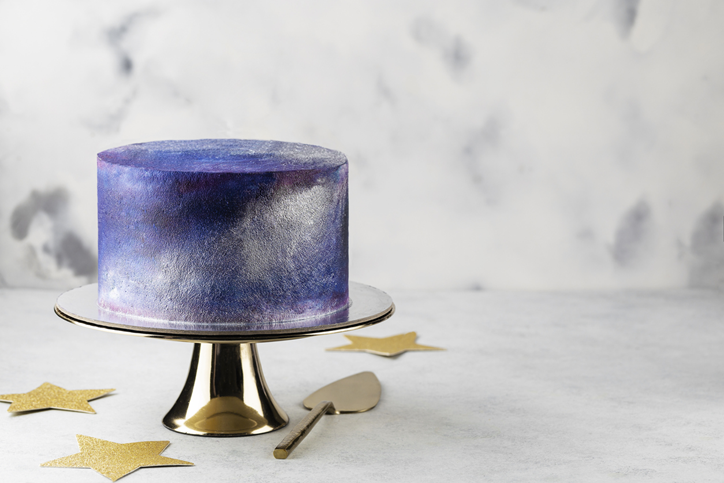
In 2018, six children from Rhode Island developed vomiting and diarrhea after attending a birthday party. While some cake decorating products are safe to eat, others may contain heavy metals that can be harmful if swallowed.

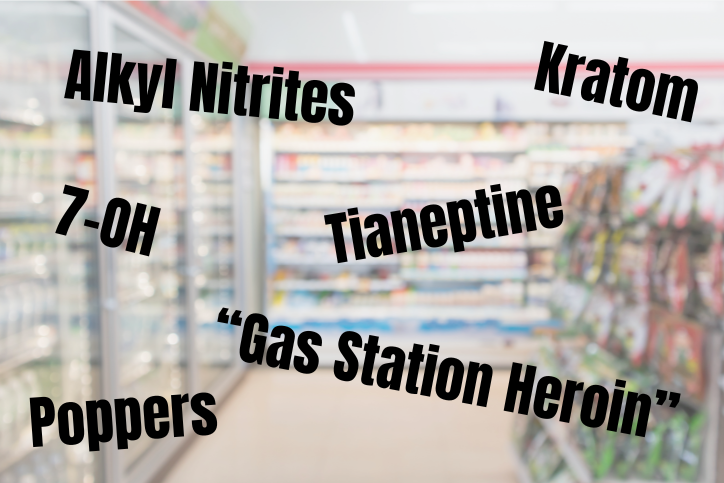
There are a variety of shops that sell products you may not know are unregulated. These kinds of shops include, but aren’t limited to, gas stations, smoke or vape shops, convenience stores, and corner stores.
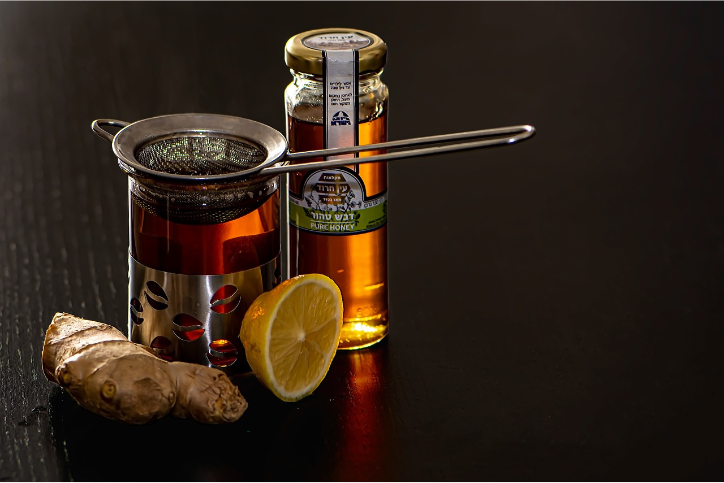
In this blog, we’ll explore common home remedies we hear about. We’ll explain why you shouldn’t use them, and suggest what to do instead.
Travel plans bring excitement and change, but they can also bring new risks. New places, different routines, and common traveling mistakes can all increase the risk of poisonings.
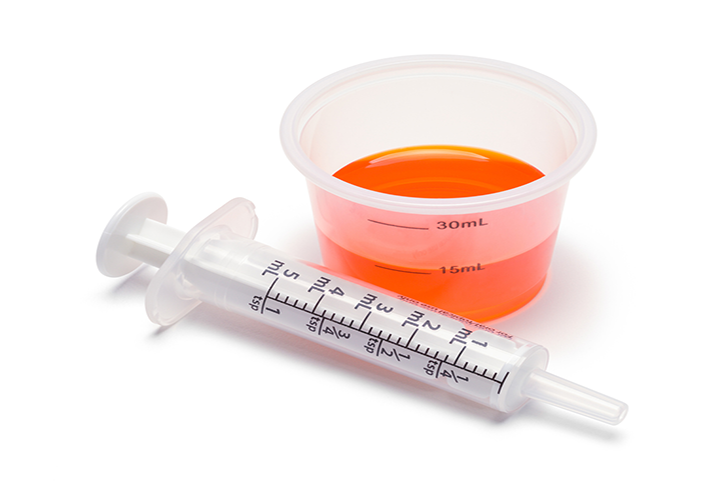
Measuring medicine, also called dosing, can be confusing! Health care providers and pharmacists may use terms such as milligrams (mg), milliliters (mL), micrograms (mcg), grams (g or gm), international units (IU), or other units of measure when talking about medicine.
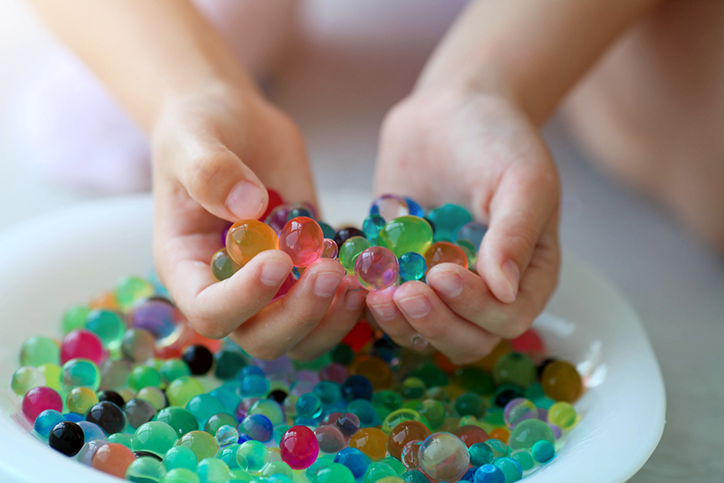
Water beads can cause physical harm and have the potential of causing a severe, and sometimes deadly, small bowel obstruction in children.

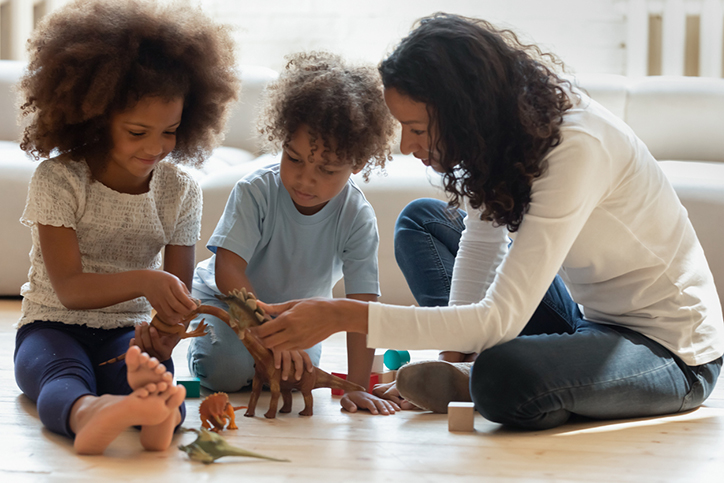
Poisonings are very common in children under the age of six, and 90 percent of the time they happen at home! So before you go out for a date night, talk with your babysitter about poison safety.