
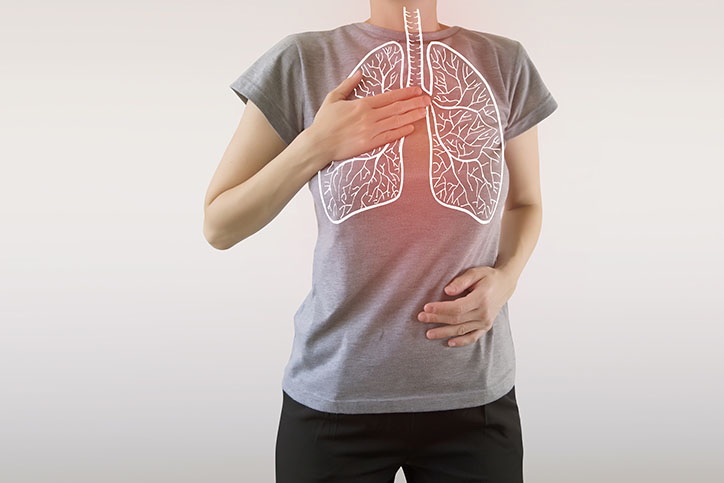
At the Maryland Poison Center (MPC), we talk a lot about poisons that are swallowed. But did you know we manage other types of poison exposures, too? Let’s look at other ways a person can be exposed to a poison, such as inhalation exposures.
Author: Emily Paterson

Delta-8-tetrahydrocannabinol (THC), also known as delta-8, is becoming an increasingly popular product. Let’s dive deeper into what you need to know about delta-8 to help keep you and your loved ones safe.

Heading to a party or cookout this summer? Don’t invite food poisoning. At outdoor parties and cookouts, the temperature of food can change, allowing bacteria to grow. Germs and bacteria on your food can cause food poisoning.

Summertime is finally here! Whether children are staying home or going to camps or on vacations, they will likely spend time exploring their environments.

At the Maryland Poison Center, we talk a lot about poisons that are swallowed. But, did you know we manage other types of poison exposures, too? Let’s look at other ways a person can be exposed to a poison, such as skin exposures.

Have you ever wondered what a day is like at the Maryland Poison Center? Let’s take a look!
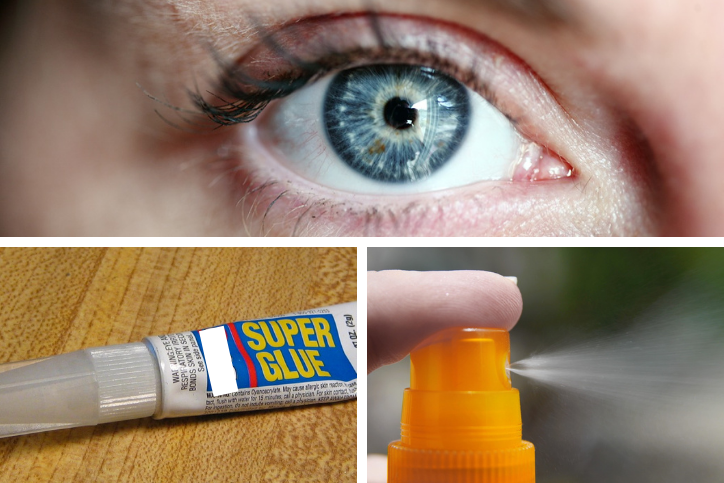
At the Maryland Poison Center, we talk a lot about poisons that are swallowed. But, did you know we manage other types of poison exposures, too? Let’s look at other ways a person can be exposed to a poison, such as eye exposures.

Each season comes with different poison safety risks that we must keep in mind. During the spring season, life gets busy with the return of warm weather, kick-off of sports seasons, and spring break vacations. These tips will help you stay poison safe this spring.
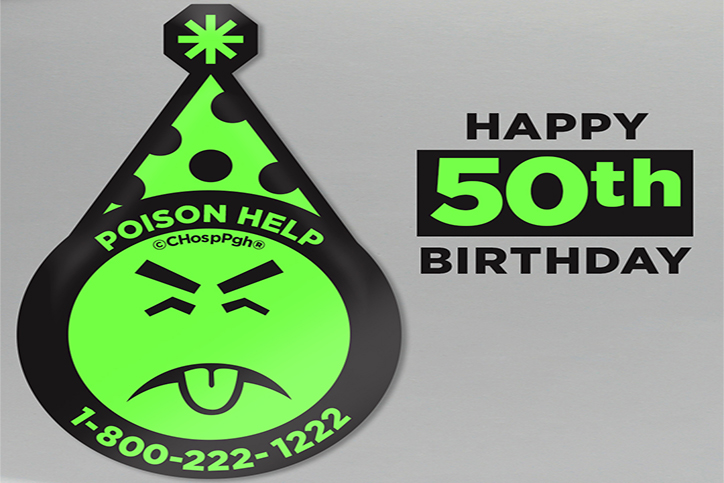
Mr. Yuk celebrates his 50th birthday in 2021! The familiar green face was created at the Pittsburgh Poison Center in 1971. Dr. Richard Moriarty, the founder of the Pittsburgh Poison Center, wanted to create a symbol that could help prevent poisonings in children.
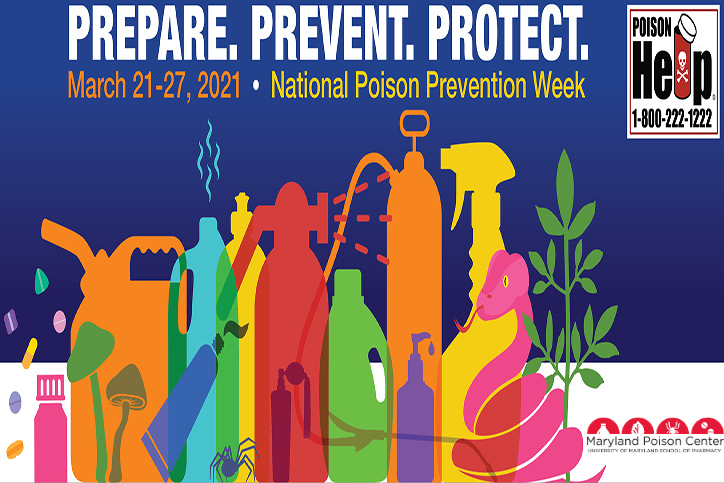
National Poison Prevention Week (NPPW) has been observed in the United States since 1962. It began on February 7, 1962, when President John F. Kennedy responded to a request from Congress and proclaimed the third full week of March every year as National Poison Prevention Week.