


If your child eats dish soap or a piece of a plant, who would you call? Hopefully your local poison center came to mind. But what happens if your furry family member eats something they shouldn’t? There are two animal poison centers- ASPCA Animal Poison Control and Pet Poison Helpline.
Author: Angel Bivins
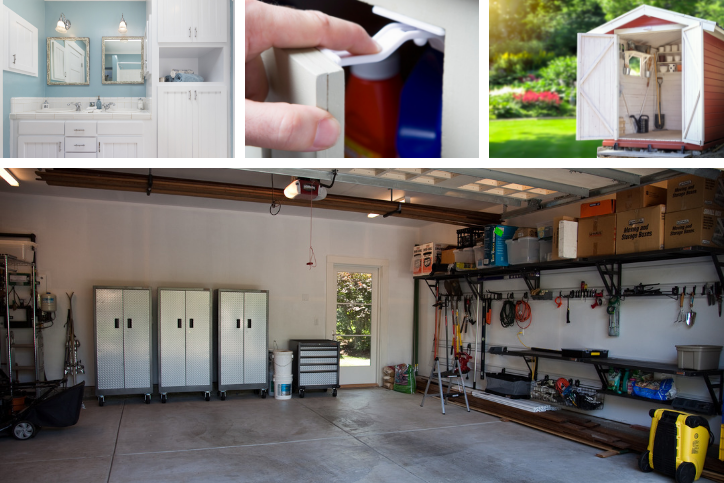
Safe storage is one of the best ways to help prevent poisonings and overdoses. This seemingly simple idea includes many layers. Let’s explore these layers to help ensure your home is poison safe for your family, visitors, and pets.

Knowing who to call is the critical first step in helping someone in need of assistance. This post will give you tips to help you make the right call.

June is National Healthy Homes Month. Learn what you can do to help protect your family against some common household hazards.

Electronic cigarettes (also known as e-cigarettes) are popular among adults and teens alike. Learn how to protect your children and teens from the dangers that these products pose.
The best way to find out what to do if you think a poisoning or overdose has happened, only takes 10 key strokes. Dial 800-222-1222. You will speak directly with a poison expert.
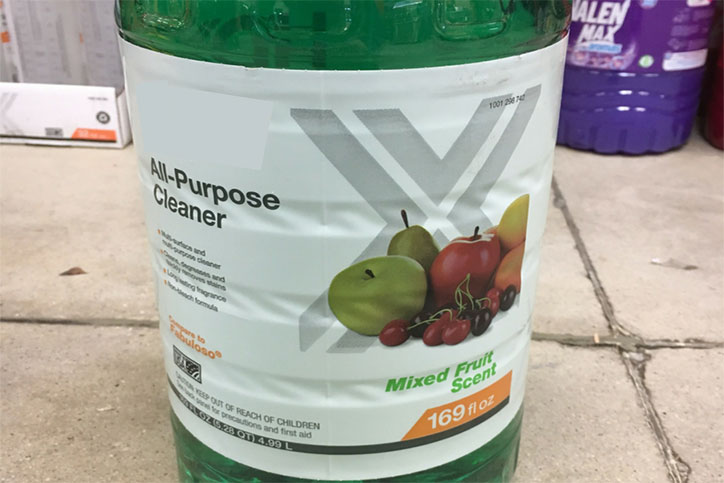
Young children made up 40% of calls to the Maryland Poison Center in 2017. Learn more about the top three substances that had their parents and caregivers rushing to the phones.

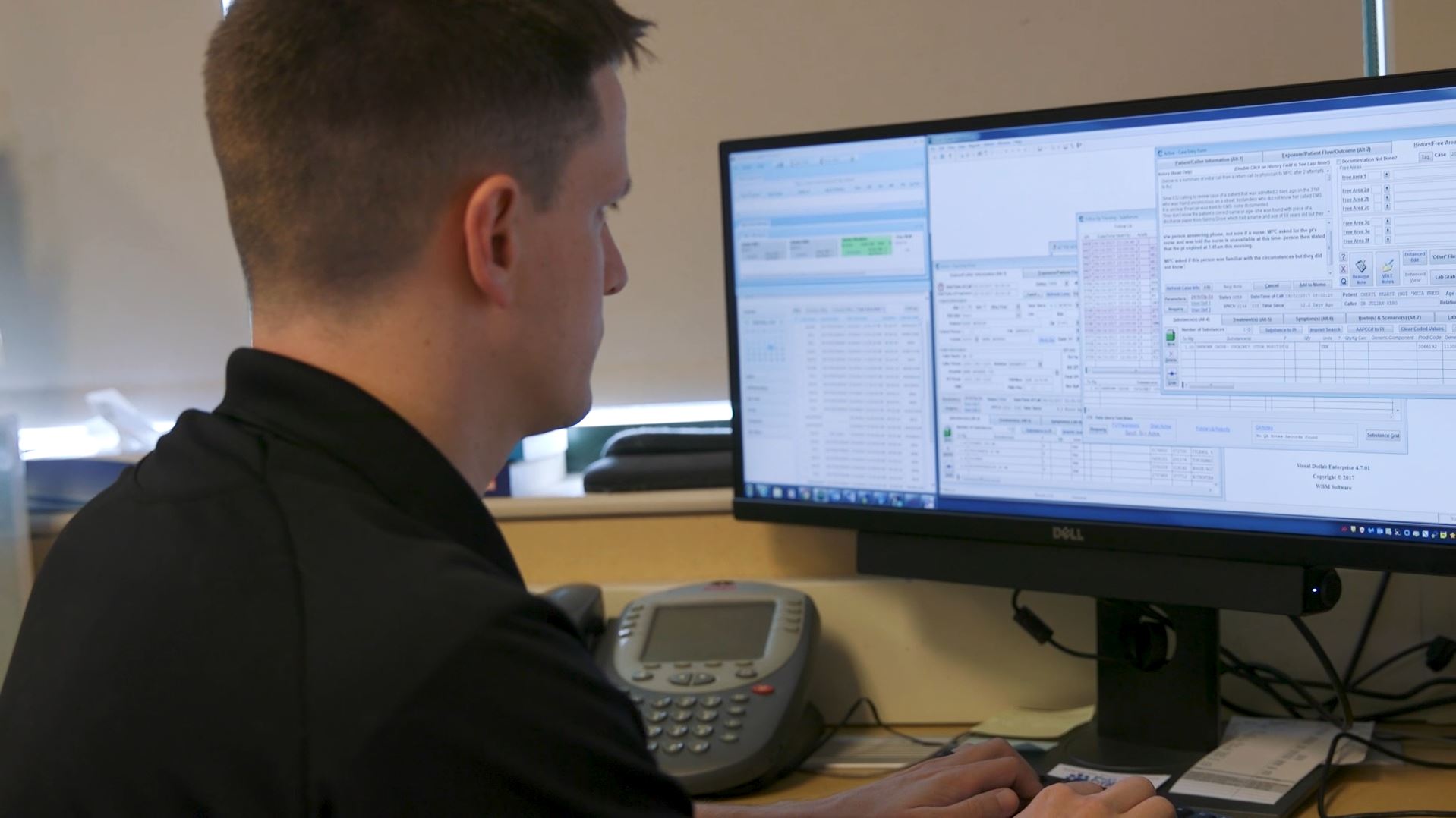
Poison specialists do much more than answer phones all day. Get an inside glimpse into their workday and learn more about the important services that they provide.
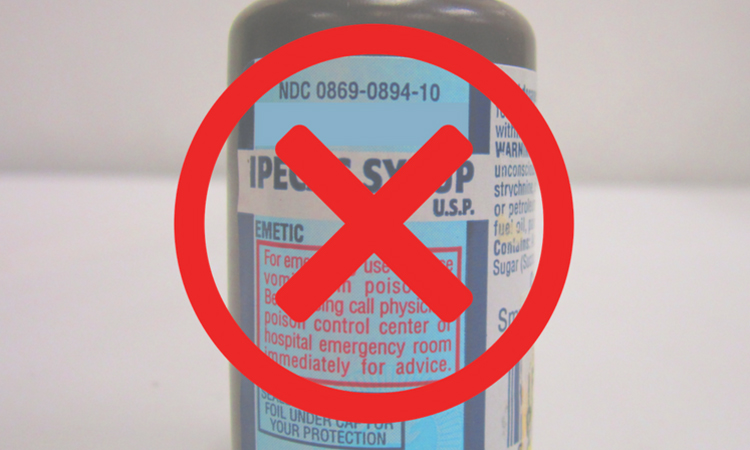
There’s a saying that what goes up, must come down. When it comes to poisons, many people think that what goes down must come up. But that is not true! Learn how forcing someone to throw up can actually be more dangerous than leaving a substance in the stomach.
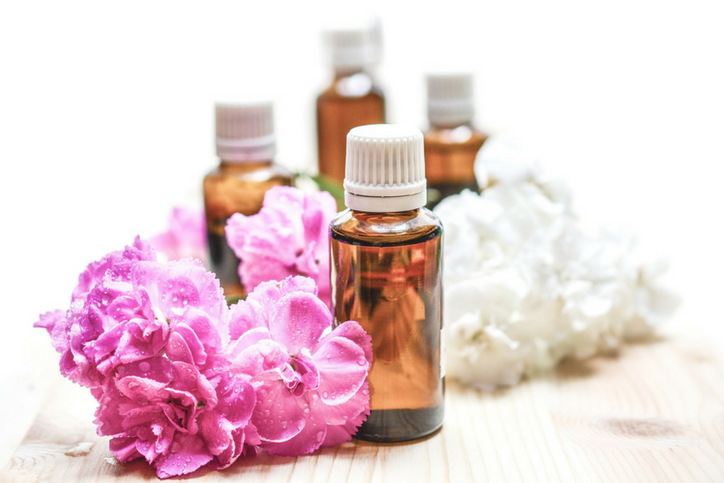
Essential oils are concentrated liquids that contain the fragrance (scent) of a plant. They are often removed from the plant and added to soaps, perfumes,…